
Ultimate Selection Of Products For Slab Leveling Projects
Find the most reliable and efficient products that simplify slab leveling tasks for homeowners and contractors alike.
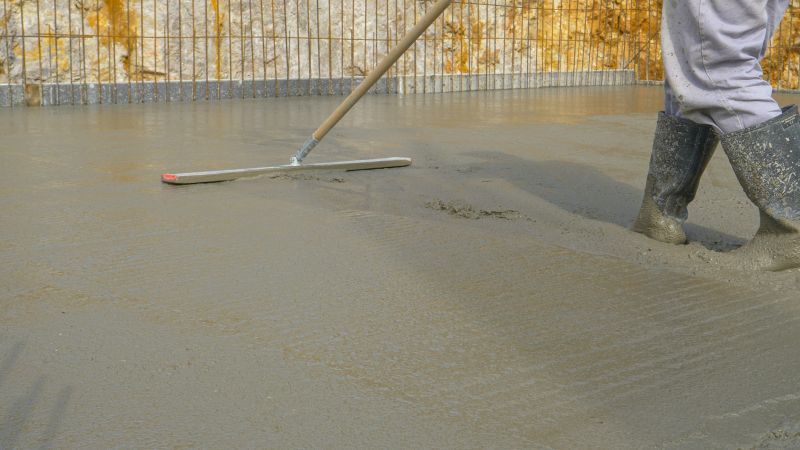 Slab leveling products are essential tools and materials used to restore the evenness and stability of uneven or sunken concrete slabs. These products are widely used in residential, commercial, and industrial settings to address issues such as uneven driveways, walkways, patios, and flooring. The primary goal of slab leveling is to create a safe, level surface that prevents tripping hazards and structural problems. Various methods and materials are available, each suited to different types of repairs and site conditions.
Top Overall Option
Polyurethane Foam Injection System
A versatile and minimally invasive solution, polyurethane foam injection systems are widely used for slab leveling projects. They provide quick expansion and support, helping to lift and stabilize sunken slabs efficiently. Suitable for various sizes and types of concrete issues, these systems are favored for their ease of application and minimal mess. They are ideal for residential driveways, patios, and walkways, offering a reliable method to restore level surfaces with minimal disruption.
Types of Products For Slab Levelings
Polyurethane Foam Kits
Pre-packaged kits designed for small to medium slab repairs, featuring foam cartridges and application tools.
Mudjacking Slurry
A cement-based slurry used to lift and stabilize slabs, suitable for larger or more stubborn unevenness.
Self-Leveling Concrete Compounds
Liquid compounds that can be poured or pumped to fill minor depressions and create a smooth, level surface.
Polyurethane Foam Guns
Handheld applicators designed for precise injection of foam into targeted areas of the slab.
Hydraulic Lifting Equipment
Heavy-duty tools used to manually lift and support slabs during repairs, often used in conjunction with other products.
Concrete Patching and Repair Mortars
Materials formulated to fill cracks, chips, and surface imperfections before leveling.
Underpinning Supports
Structural supports used to stabilize and reinforce foundations beneath slabs.
Vibratory Compactors
Tools used to compact soil or base layers prior to slab repair to improve stability.
Crack Repair Sealants
Flexible sealants designed to fill and seal cracks to prevent water infiltration and further damage.
Polyurethane Foam Expanders
Specialized expanders that increase foam volume for larger lifting applications.
Concrete Leveling Pumps
Equipment used to inject leveling materials into the slab with controlled pressure and flow.
Soil Stabilizers
Products that improve the soil beneath slabs to prevent future shifting or sinking.
Popular Choices
Widely used for quick and minimally invasive slab leveling, these kits are popular among DIY enthusiasts and professionals alike.
Commonly chosen for larger projects, mudjacking offers a durable solution for lifting uneven slabs.
Ideal for interior concrete repairs, these compounds help create an even surface for flooring installation.
Popular for preventative maintenance and minor repairs, these sealants help preserve slab integrity.
Trusted for their strength and control, hydraulic jacks are common in slab stabilization efforts.
Frequently used to prepare base layers, ensuring a solid foundation for slab repairs.
Popular for surface repairs, these mortars help restore the appearance and function of slabs.
Preferred for precision application, these tools facilitate controlled foam injections.
Commonly selected to prevent future shifting by improving soil conditions beneath slabs.
One common approach involves the use of polyurethane foam injections, which are lightweight and minimally invasive, allowing for quick repairs with minimal disruption. Mudjacking, another popular method, utilizes a slurry mixture of cement, sand, and water to lift and stabilize slabs. Additionally, self-leveling compounds can be applied to fill minor depressions and create a smooth surface. The choice of product often depends on the size of the area, the extent of the unevenness, and the desired durability.
When selecting products for slab leveling, it is important to consider factors such as load-bearing capacity, ease of application, curing time, and compatibility with existing concrete. Proper preparation, including cleaning and assessing the underlying soil or base, enhances the effectiveness of the repair. For larger or more complex issues, professional consultation may be advisable to determine the most appropriate solution. Regular maintenance and inspections can help prolong the lifespan of the repaired slabs and prevent future shifting or sinking.
Overall, investing in the right slab leveling products can significantly improve safety and usability while helping to preserve the structural integrity of concrete surfaces. Whether opting for DIY solutions or professional services, understanding the available options ensures that repairs are effective and durable over time.
Key Buying Considerations
- Type of repair needed: Determine whether the issue requires lifting, filling, or stabilization.
- Size of the area: Larger slabs may require more extensive equipment or professional assistance.
- Material compatibility: Ensure the product is suitable for the specific type of concrete and soil conditions.
- Ease of application: Consider whether the product is suitable for DIY use or if professional installation is recommended.
- Curing and drying time: Check how long the material takes to set and reach full strength.
- Load-bearing capacity: Verify that the product can support the weight and use of the slab after repair.
- Environmental conditions: Consider temperature and moisture levels that may affect curing and adhesion.
- Budget constraints: Balance cost with the expected durability and effectiveness of the repair solution.
- Longevity and durability: Look for products designed to withstand ongoing stress and weather conditions.
- Preparation requirements: Assess the need for surface cleaning or soil stabilization before application.
- Accessibility of the area: Ensure you have the necessary tools and space for application.
- Safety considerations: Use appropriate protective equipment and follow manufacturer instructions.
- Compatibility with existing repairs: Match new products with previous repair materials if applicable.
- Professional vs DIY: Decide if the project warrants professional expertise or if a DIY approach is feasible.
- Warranty and support: Check if the product comes with technical support or warranty options.
This content contains affiliate links. We may earn a commission if you purchase through these links, which helps support our work and provides you with valuable information.